Open analysis from 8scale, on inspection and maintenance robotics, for owners, providers and builders.
Book a dive briefingALL ARTICLES
01
Eight confined space inspection drones compared on size, endurance, lighting, camera, UT payload, software and price.
02

Industrial robotics pilots fail on translation, not technology. Read what scaling beyond pilot demands and book a 30-minute briefing on your deployment.
03

Why robotics adoption in industrial inspection stalls, and how much better a technology must be to displace manual work. Book a 30-minute briefing.
04
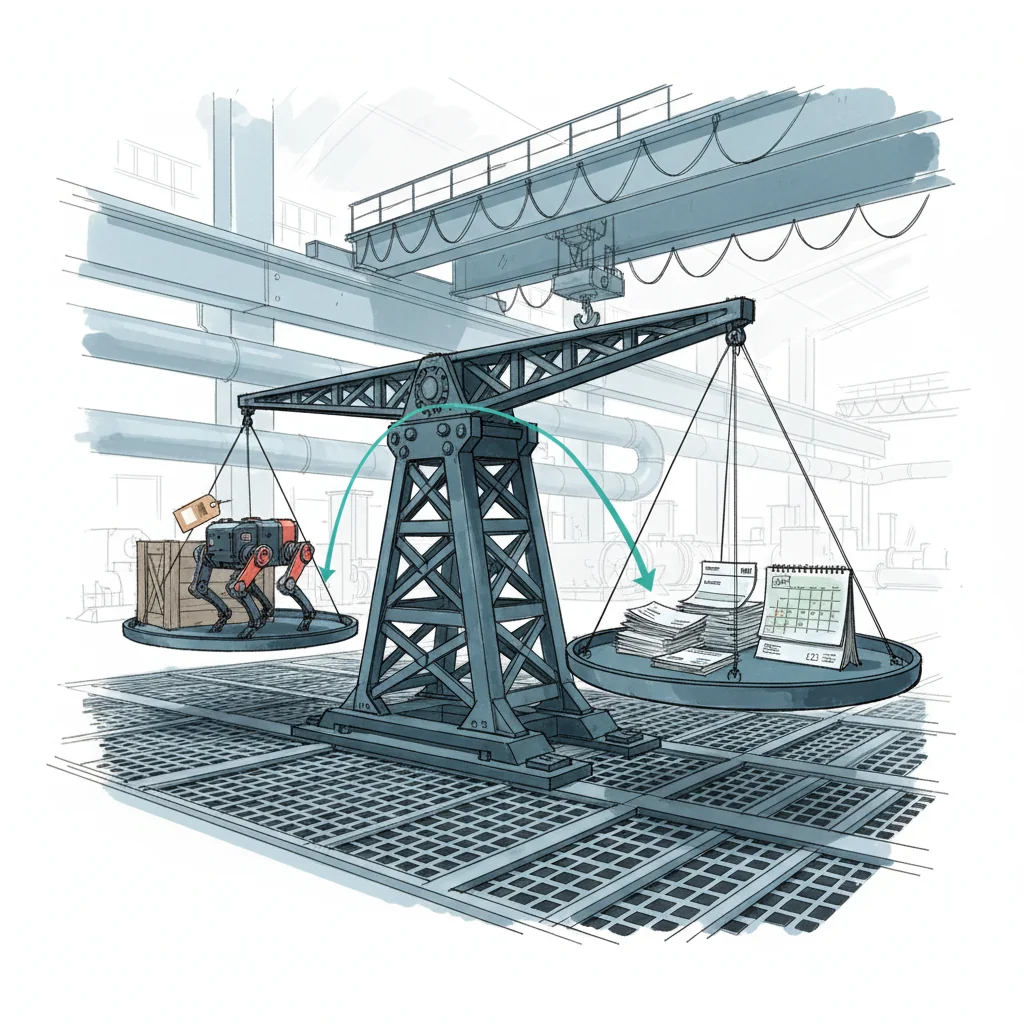
Why high-CapEx robotics stalls in approval and how Robotics-as-a-Service changes the case. Read the analysis and book a 30-minute briefing on your model.
05
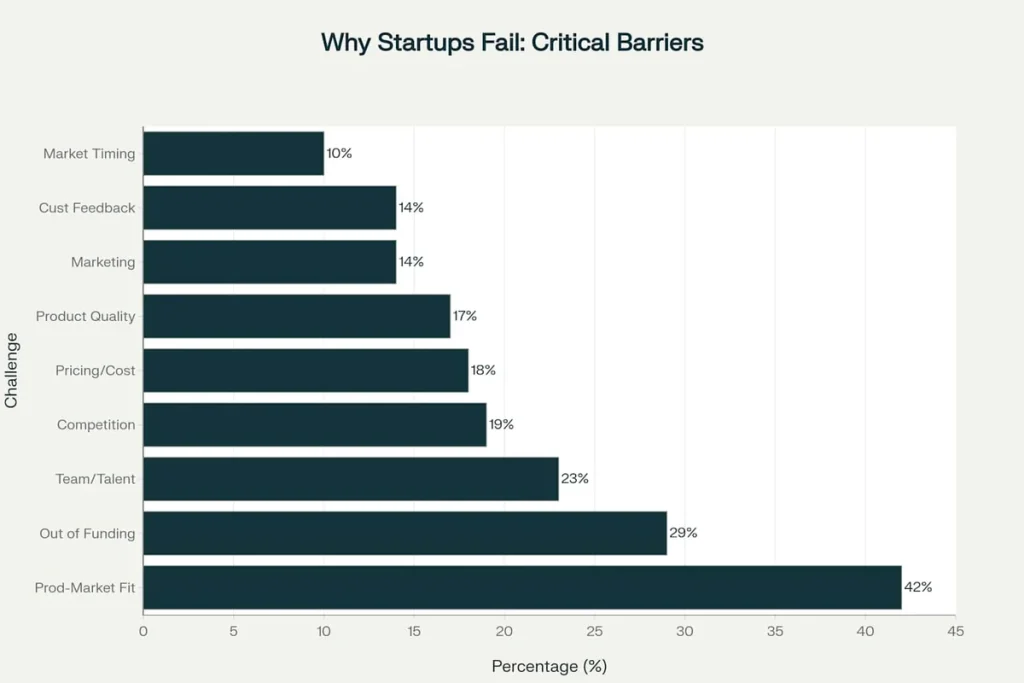
Product-market fit, sales-cycle length and missing validation evidence sink industrial tech ventures. Read why, then book a 30-minute market briefing.
06
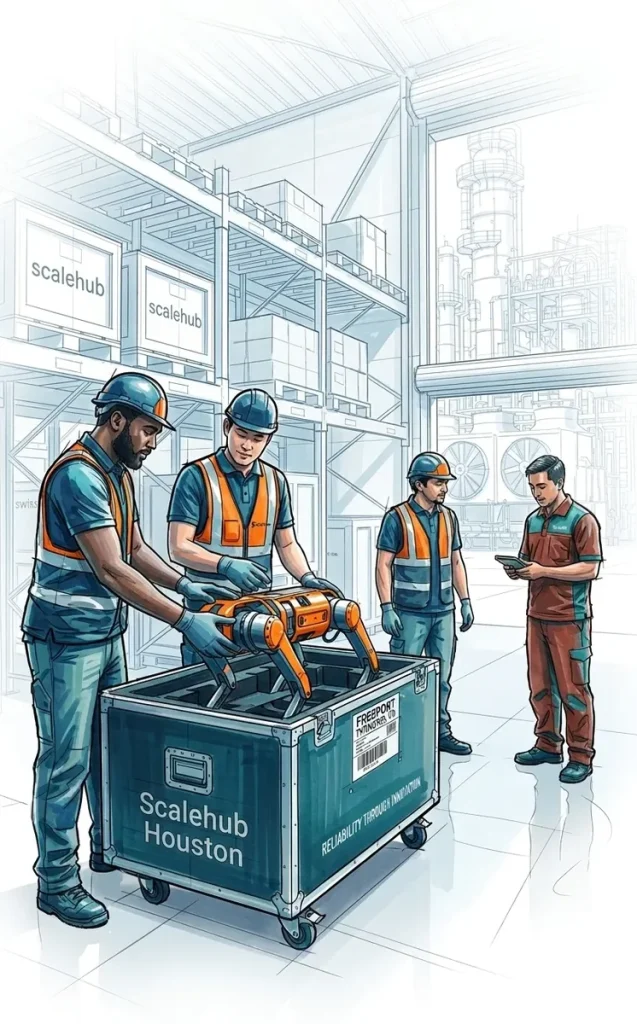
Certification, region choice, partners and a phased roadmap for European robotics firms entering the US. Read the analysis and book a 30-minute briefing.
07
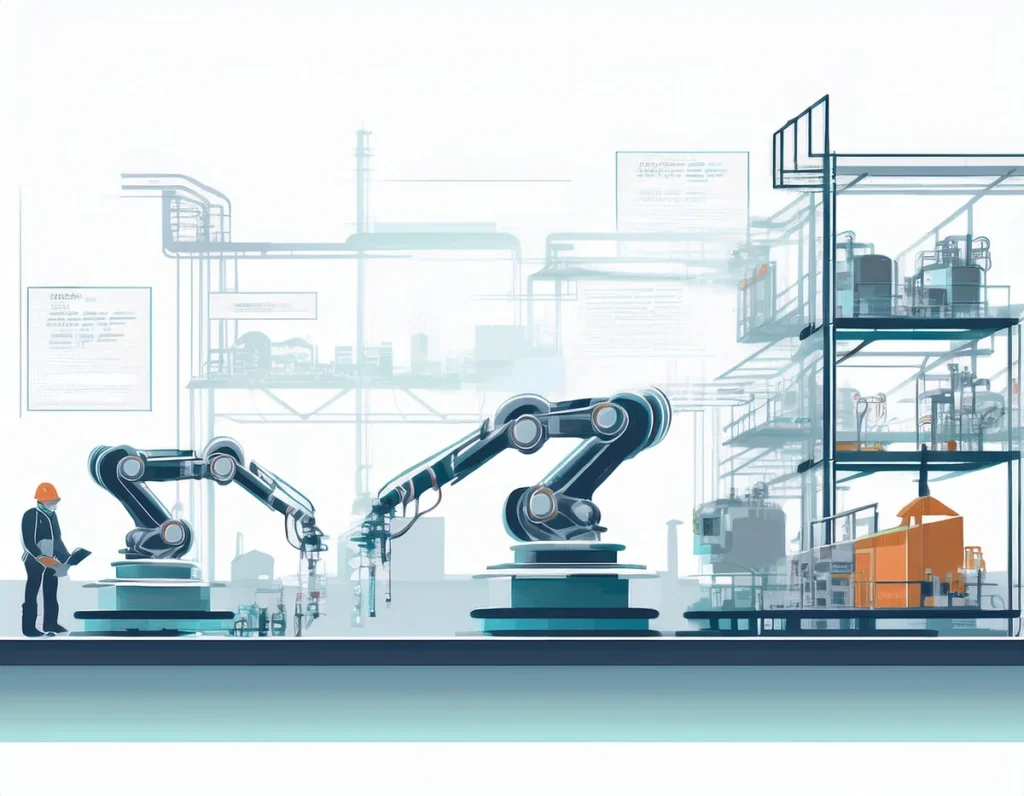
A staged implementation strategy for industrial robotics, with realistic timelines and outcome measures for plant teams. Book a 30-minute briefing.
08

How industrial technology companies build a go-to-market on market evidence rather than assumptions. Read the approach and book a 30-minute briefing.
09

What an industrial technology website needs to do before a plant engineer or procurement lead will enquire. Read the checklist, book a briefing.
10

How industrial suppliers and traders identify, qualify and manage leads across long buying cycles. Read the approach and book a 30-minute briefing.
11

Where AI and automation help inspection and maintenance service work, and where they do not. Read the analysis and book a 30-minute market briefing.
For asset owners
Industrial technology market insights only help an asset owner if they survive contact with a turnaround window. So we write about what actually stops deployment: ATEX zoning, confined-space permits, decades-old PLCs and brown-field integration.
The basis is deployment-level primary data, asset-level KPIs, operator interviews and real inspection and maintenance spend. Power and utilities alone carry US $400 B of annual inspection and maintenance spend, 2024, global (cite as: 8scale Scalebook 2025).
Start with why industrial robotics pilots fail. McKinsey's 2024 Manufacturing Survey puts pilot stall at 87 % of robotics initiatives, as cited in Scalebook 2025. Our reading: that is a procurement and integration failure long before it is a robot failure. Decide what to count first, then shortlist vendors.
Robotic inspection changes how you bill before it changes how you work. Rope access and manual UT sell hours. A drone, crawler or legged platform sells a data set, so revenue per job drops unless you price the deliverable, not the day.
We write about that shift in unit economics: utilization thresholds per unit, who owns the inspection data, liability under existing service contracts, and how Robotics-as-a-Service moves a robot from your CapEx line to your client's OpEx line.
The evidence comes from operator interviews and real inspection and maintenance spend across energy, chemicals, maritime, manufacturing and infrastructure. Read CapEx versus OpEx for industrial robotics before you finance a fleet you cannot keep billable.
For service providers
For technology companies
Your addressable market is the number of assets whose inspection interval you can defend, in plants that will let you on site.
Our industrial technology market insights for robotics, sensing, automation and AI companies cover worldwide: channel structure, integrator margins, RaaS pricing against industrial budget cycles, and CE, ATEX and OSHA duties.
Deployed cases such as Flyability, Gecko Robotics and ANYbotics appear here as neutral third-party analysis. They are not customers, and we do not carry anyone's enthusiasm for their own product.
If the US is your next corridor, read US market entry for European robotics companies. The usual failure mode is distribution, service coverage and liability, not the machine.
Insights are the free rung of the depth ladder, Surface, Snorkel, Deep dive, Abyss, Anchor. Each rung answers a narrower question at a higher cost of evidence.
Surface, Insights is what you are reading: signals, analysis and citable numbers, open to everyone. Snorkel, Scalebook is the annual report family, written for maximum insight per minute of reading.
Below that, Deep dive, custom market studies answers your specific question with operator interviews and asset-level KPIs. Abyss, tailored consulting and market-entry strategy turns that answer into roadmaps, partner selection and compliance steps. Anchor, execution on the basis of our own intelligence follows only research we ran ourselves.
Read what industrial robotics implementation takes in 2025, then pick the rung your decision actually needs.
Every figure in these articles carries its basis. The inspection and maintenance robotics market was worth USD 2.89 billion in 2024 and grows at 15.8 % CAGR to 2030 (cite as: 8scale Scalebook 2025).
Legged robots are the fastest-growing of the eight tracked segments at 25 % CAGR (cite as: 8scale Scalebook 2025). Segment percentage shares are not published, and we will not estimate them here.
How we build Scalebook: 01 AI-first data harvest, 02 Programmatic precision distillation, 03 Expert validation. Language models tuned on robotics vocabularies read patents, webinars and field demos; industry engineers then review every result that survives the distillation for plausibility and blind spots.
Third-party numbers from McKinsey, IEA, Deloitte or IDC appear only as cited in Scalebook 2025 and are marked. Ours you may quote freely.
GET STARTED
Thirty minutes, one insight about your market, no pitch deck. Bring the asset, the corridor or the pricing question you are stuck on, and we will show you what the data supports.
Book a dive briefing